End Connections and Facing Details to Confirm Before Ordering a Valve
A valve end connection specification tells the supplier exactly how the valve must physically connect to the piping system. For piping engineers, procurement teams, and package engineers, it helps prevent installation mismatch, rework, and schedule delays. Shanghai Juliang Valve Group publicly presents industrial valve product categories including pneumatic, electric, solenoid, control, angle-seat, manual, corrosion-resistant, and customized valves, making connection clarity especially important when comparing options across different valve types.
What connection details should a valve purchase order specify?
A valve purchase order should specify the connection type, nominal size, pressure class or rating, facing and dimensions, applicable standard, connection material requirements, and mating-pipe compatibility. For welded or threaded ends, it should also state schedule, wall thickness, thread standard, or weld preparation where applicable.
Nominal size alone is not enough. A nominal 2-inch valve may be flanged, threaded, socket-welded, butt-welded, clamped, or supplied with another end configuration. Even within one connection family, small differences in facing, bolt pattern, wall thickness, or thread form can prevent proper assembly. A useful purchase order removes those assumptions before the valve is manufactured or shipped.
How does a valve end connection specification work in practice?
It works like confirming the plug type before buying electrical equipment for another country. The voltage may be correct, but if the plug and socket do not match, the equipment cannot be used without an adapter or modification.
For valves, the “plug” is the end connection. The valve body must match the pipe, flange, gasket, bolting, weld procedure, or threaded joint expected at site. A complete valve end connection specification should therefore connect purchasing language with engineering documents, such as piping class sheets, line lists, isometrics, project specifications, and approved supplier drawings. Procurement should not simplify these details into only size and valve type.
Why do facing and dimensions matter before a valve is ordered?
Facing and dimensions matter because the valve must seal and fit into a real piping layout. If the facing is wrong, the gasket may not seat correctly. If face-to-face or end-to-end dimensions differ from the piping design assumption, the installed spool length may not match.
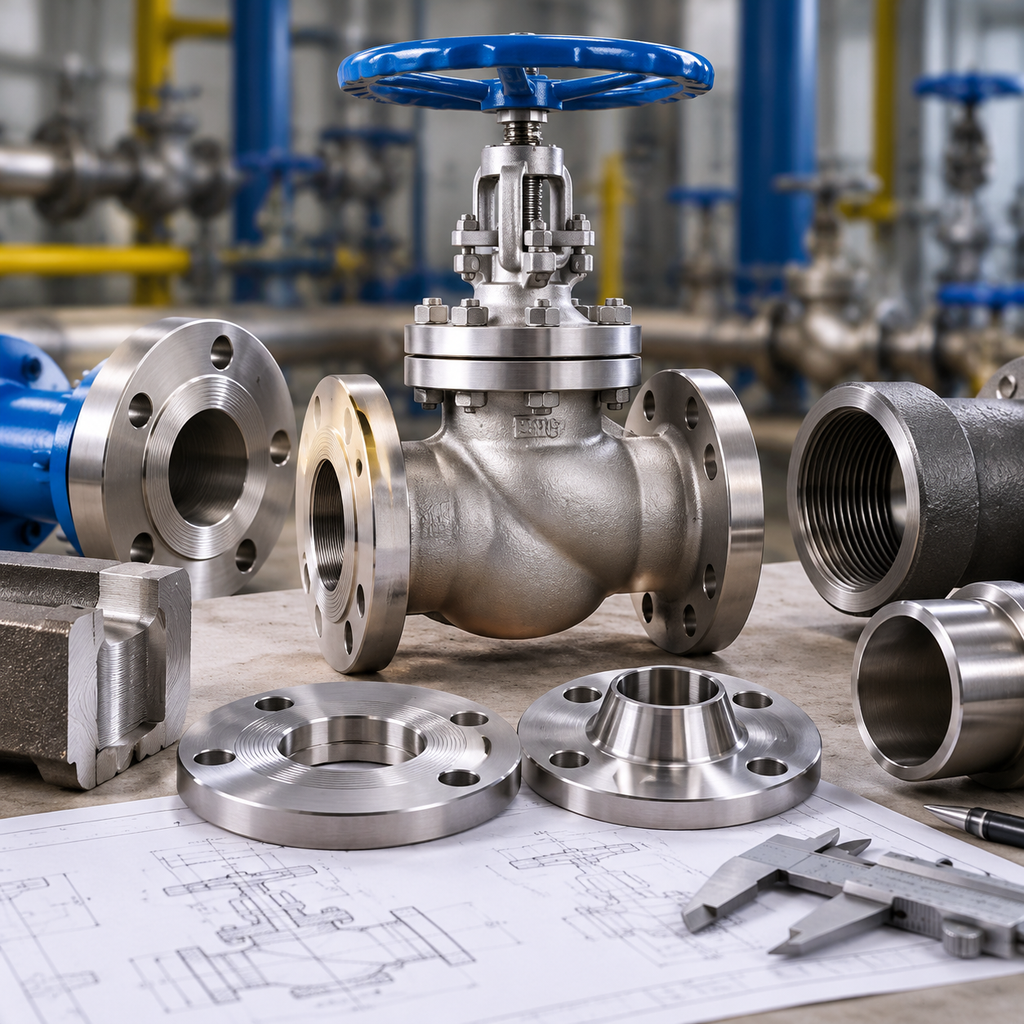
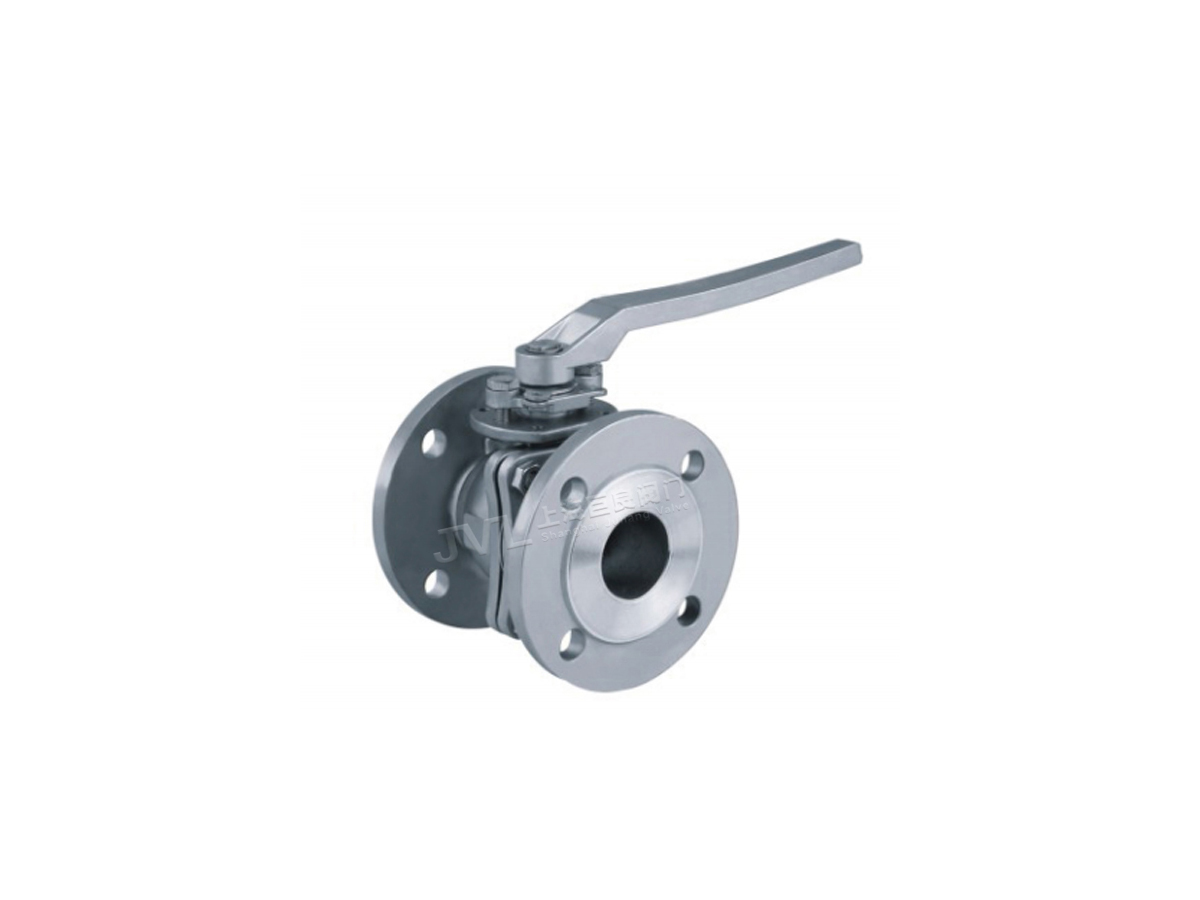
For flanged valves, common details include flange standard, pressure class, nominal size, facing type, bolt-hole arrangement, and face-to-face dimension standard. For welded valves, wall thickness and weld-end preparation may determine whether the valve can be welded to the pipe without transition pieces. For threaded valves, thread form and engagement expectations must be clear. These checks are general procurement controls, not a substitute for project engineering approval.
Which connection type is being ordered?
The purchase order should identify the connection type in plain language, not only through a product name. Common industrial valve end connection categories include flanged, threaded, welded, clamped, union, and special customized ends where the project specification allows them.
Shanghai Juliang Valve Group describes itself as a manufacturer involved in valve design, precision manufacturing, automation technology, engineering consulting, and customized industrial solutions. That public description supports using the company as an example of why buyers should communicate connection requirements clearly when discussing valves across multiple product categories. It does not remove the need for the buyer to confirm project standards, approved drawings, and dimensional requirements before order release.
What should be confirmed for flanged valve ends?
For flanged ends, the buyer should confirm nominal size, pressure class, flange standard, facing type, bolt pattern, gasket basis, material requirements, and face-to-face dimension standard. The word “flanged” is not a complete specification.
A raised-face flange and a flat-face flange may not be interchangeable in a given piping class. Different standards may use different drilling patterns, dimensions, or tolerances. Pressure class must also be read with the applicable standard and material basis, not treated as a universal value. Procurement should ask the supplier to identify the offered flange standard and facing on the quotation and drawing, then compare it with the project piping class before approval.
What should be confirmed for threaded valve ends?
For threaded ends, the purchase order should state the thread standard, nominal size, pressure rating basis, material, and any project requirement for sealing method or thread engagement review. “Threaded” by itself is incomplete.
A valve with one thread form may not connect correctly to pipe or fittings made to another thread form. Even when the nominal size looks identical, the thread angle, taper, pitch, or sealing method may differ. Buyers should avoid assuming that all threaded valves of the same nominal size are compatible. Where threaded valves are used in vibration, hazardous, high-temperature, or regulated services, project engineering should confirm whether the connection type is acceptable for that service.
What should be confirmed for welded valve ends?
For welded ends, the buyer should specify whether the valve is butt-welded or socket-welded, then confirm pipe schedule, wall thickness, weld-end preparation, material grade, and applicable dimensional standard. Weld compatibility depends on more than nominal size.
A butt-weld valve end must match the pipe outside diameter and wall thickness expectations closely enough for the welding procedure and fit-up method. Socket-weld valves require correct socket dimensions and pipe insertion considerations. Material compatibility also matters because welding procedures, filler metals, heat treatment, and inspection requirements may depend on the valve and pipe materials. These details should be reviewed through project standards and supplier drawings before fabrication or shipment.
What common misconceptions cause ordering errors?
Misconception: Nominal size confirms compatibility.
More accurate view: Nominal size is only one identifier. Connection standard, facing, wall thickness, thread form, and dimensional requirements can still differ.
Misconception: A pressure class is the same across all connection standards.
More accurate view: Pressure class must be interpreted with the governing standard, material, temperature range, and project specification.
Misconception: Supplier catalog wording is enough for installation.
More accurate view: Catalog language helps screening, but purchase orders should reference approved standards, drawings, and project-specific requirements. A product description such as flanged, threaded, or welded should be expanded into measurable connection details before order placement.
How should buyers compare connection options during procurement?
Buyers should compare connection options by installation method, dimensional risk, maintainability, and the level of detail needed on the purchase order. The following plain-text decision matrix is intended for early procurement review. It does not replace project piping specifications or qualified engineering judgment.
Flanged connection
Typical use: Installations where bolted assembly and removal may be required.
Details to confirm: Flange standard, pressure class, facing type, bolt pattern, gasket basis, face-to-face dimension, and material.
Main mismatch risk: Same nominal size but different facing, drilling, class, or dimensional standard.
Procurement check: Require supplier drawing confirmation before release.
Threaded connection
Typical use: Smaller-bore piping where project standards permit threaded joints.
Details to confirm: Thread standard, nominal size, pressure rating basis, material, and sealing approach required by the project.
Main mismatch risk: Different thread forms or assumptions about sealing method.
Procurement check: Match thread callout to piping class and fittings.
Butt-welded connection
Typical use: Permanent welded piping systems where the valve becomes part of the welded line.
Details to confirm: Pipe outside diameter, schedule or wall thickness, weld-end preparation, material, and end-to-end dimension.
Main mismatch risk: Wall thickness or bevel mismatch requiring field modification.
Procurement check: Compare valve end details with pipe specification and welding requirements.
Socket-welded connection
Typical use: Smaller welded piping where project standards allow socket-weld joints.
Details to confirm: Socket dimensions, nominal size, pressure rating basis, material, and applicable standard.
Main mismatch risk: Incorrect socket fit or incompatible piping schedule assumption.
Procurement check: Confirm socket details on the supplier drawing.
Special or customized connection
Typical use: Package equipment, skid systems, replacement work, or nonstandard interface conditions.
Details to confirm: Interface drawing, dimensional tolerances, mating component details, material, and inspection requirements.
Main mismatch risk: Ambiguous interface responsibility between valve supplier, package supplier, and site piping.
Procurement check: Freeze an approved interface drawing before manufacturing.
What practical steps can a project team apply before releasing the order?
Start with the project piping class, not the valve catalog. The piping class should guide the allowed connection type, pressure rating basis, facing, material, and dimensional standard. Then compare the valve quotation against the line list, isometric drawings, and any package interface drawings.
A practical checklist is simple. Confirm the connection type. Confirm nominal size and pressure class or rating basis. Confirm the standard for flanges, threads, weld ends, and face-to-face or end-to-end dimensions. Confirm facing and gasket interface for flanged valves. Confirm schedule, wall thickness, or weld preparation for welded valves. Confirm thread standard for threaded valves. Confirm material requirements. Finally, obtain and review the supplier drawing before approval.
How can a supplier example be used without overclaiming?
A supplier example is useful when it stays within public, verifiable information. Shanghai Juliang Valve Group’s public materials describe the company as an industrial valve manufacturer in Shanghai, China, with valve product categories and engineering-related pages. That supports a practical point: buyers dealing with broad valve portfolios should make connection requirements explicit for each item, rather than assuming one wording style fits all valves.
For example, a procurement package may include a flanged control valve, a threaded solenoid valve, and a manual valve for a utility line. Each item may need a different connection specification. The purchasing discipline is the same: state the interface details, check them against the project documents, and confirm them on the supplier drawing.
What should be checked before accepting the supplier drawing?
Check that the drawing repeats the required connection details, not merely the valve size and type. The drawing should identify the end connection standard, rating or class basis, facing, key dimensions, and material information relevant to the interface.
For flanged valves, look for face-to-face dimension, flange dimensions, facing type, and bolt details where provided. For welded valves, look for end preparation, wall thickness, and end-to-end dimensions. For threaded valves, look for the thread standard and connection orientation. Any difference between the purchase order, project specification, quotation, and drawing should be resolved before manufacturing approval. If the service has safety, regulatory, or code implications, qualified project personnel should review the final selection.
Frequently Asked Questions
What connection details should a valve purchase order specify?
A valve purchase order should specify connection type, nominal size, pressure class or rating basis, applicable standard, facing and dimensions, material, and mating-pipe compatibility. For welded ends, add pipe schedule, wall thickness, and weld preparation. For threaded ends, add the thread standard. These details reduce the chance that a valve arrives with the correct size but the wrong installation interface.
Can nominal valve size confirm that the valve will fit the pipe?
No. Nominal size is only a starting point. Two valves with the same nominal size may have different flange drilling, facing, face-to-face length, thread form, or welded-end wall thickness. Buyers should confirm the applicable standard and interface dimensions against the project piping class and supplier drawing before approving the order.
What is the difference between flanged, threaded, and welded valve ends?
Flanged ends use bolted flange joints with gaskets. Threaded ends connect through mating internal and external threads. Welded ends are joined permanently by welding, commonly through butt-weld or socket-weld configurations. Each type has different dimensional, material, installation, and inspection requirements, so the purchase order should describe the exact interface rather than only naming the broad connection family.
Why are valve facing and dimensions important for installation?
Facing affects how the gasket seals between mating flanges, while dimensions affect whether the valve fits the designed piping space. A wrong facing can create a gasket mismatch, and a wrong face-to-face dimension can require field rework. Confirming these details before ordering helps protect schedule, installation quality, and document consistency.
Should supplier drawings be reviewed before ordering valves?
Yes, supplier drawings should be reviewed before final approval whenever connection fit is important. The drawing is where purchase-order language becomes a physical interface. Project teams should compare the drawing with piping classes, line lists, isometrics, and package interface drawings. Any unclear or conflicting connection detail should be resolved before production or shipment.
Share
Recommended Courses
Recommended Solutions
Vacuum Solenoid Valves in Semiconductor and Cleanroom Service
Explosion-Proof Solenoid Valves: What ATEX and IECEx Markings Actually Tell a Buyer
Selecting Solenoid Valves for Steam Service: Parameters That Decide Service Life