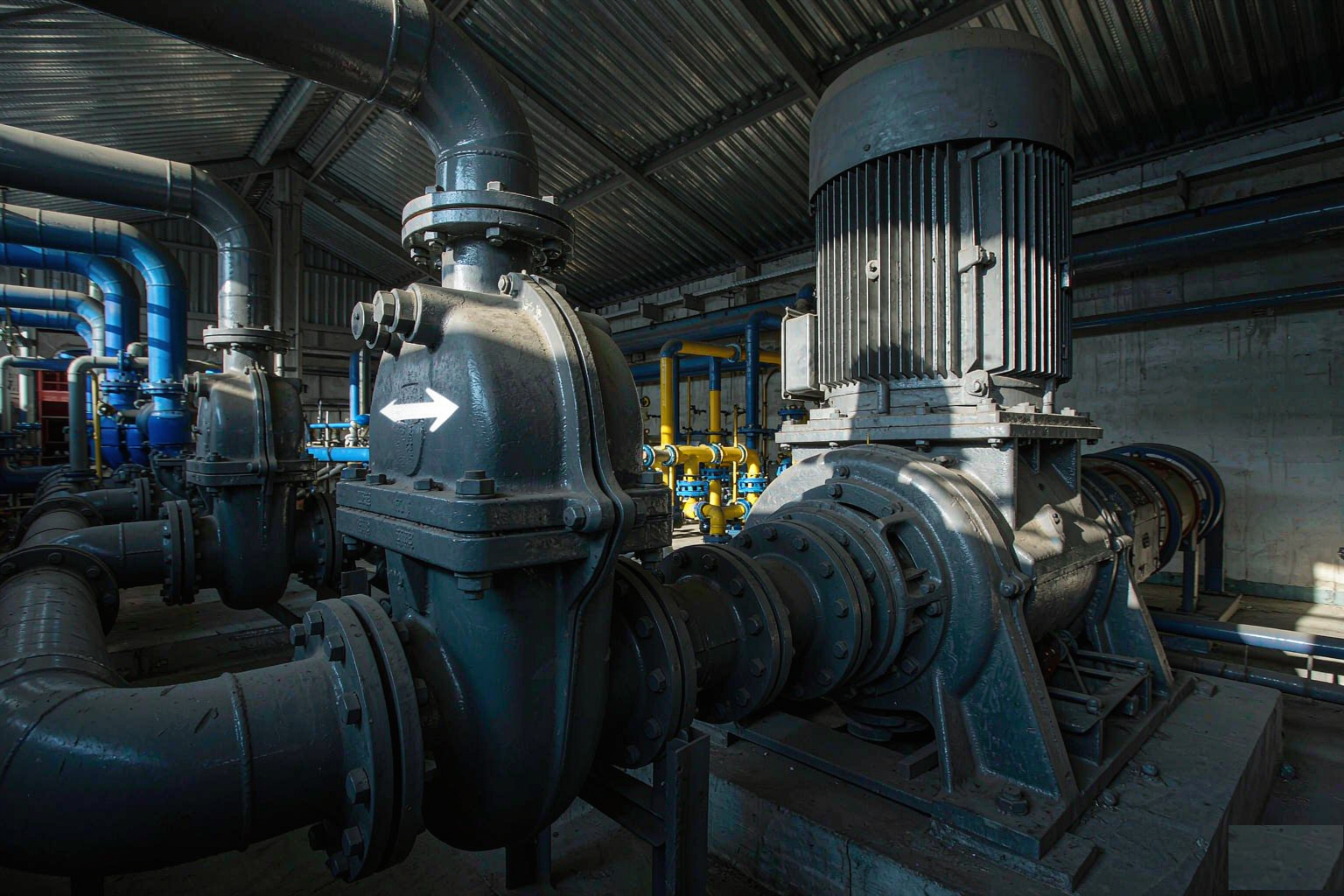
1. Freeze the approved valve configuration
Before scheduling a FAT, establish the document set that controls the inspection. At minimum, the package should identify the valve tag or equipment number, product type, nominal size, pressure class or rating, end connection, body and trim materials, seal or seat materials, actuator type, fail position, accessories, electrical requirements, and applicable standards. The exact fields depend on the project and valve service.
The buyer should compare the purchase order with the latest approved datasheet and drawing. If the project has a valve list, line list, piping and instrumentation diagram, or control narrative, use the same tag numbers during the inspection. A product name alone is not enough. Two valves can share a general type while differing in material, connection, pressure rating, actuator, or control signal.
Juliang Valve Group states that it provides solenoid, pneumatic, electric, control, angle seat, corrosion-resistant, manual, and customized valves. Its FAQ also describes customization around materials, pressure ratings, connection standards, actuator configurations, and automation control systems. Those categories make configuration control particularly important: the buyer should verify the exact grade and project configuration rather than approve a generic family description.
2. Agree the FAT protocol before the visit
The FAT protocol should state the scope, sequence, test equipment, acceptance criteria, witness points, required records, and responsibilities. Decide which tests are witnessed by the buyer, which are reviewed from certified records, and which are performed as routine manufacturer checks. The protocol should identify the valve tags and sample size if the order contains multiple units.
Include a document revision and approval status on the protocol. If a drawing or datasheet changes after the protocol is approved, record the change and determine whether the FAT scope must be revised. Do not allow an inspection to proceed against a mixture of old and new documents. This is a common cause of disputes because the manufacturer may have built to one revision while the buyer's inspector is using another.
The parties should also agree on what happens if a test fails. Define whether the valve is repaired, reworked, retested, or rejected; who approves a concession; and how the result is recorded. Retesting should not erase the original failure. The final dossier should preserve the deviation and the corrective action so the project team understands what was changed before release.
3. Verify physical identity and workmanship
Begin the FAT with a visual and dimensional inspection. Confirm the nameplate, tag, serial number, size, rating, flow direction, connection type, actuator model, accessory list, and material markings. Compare the actual assembly with the approved drawing. Check that protective caps, ports, brackets, wiring entries, and mounting hardware are present and suitable for shipment.
Inspect external surfaces, coatings, lining, welds, machined faces, fasteners, and seals for visible damage or contamination. For corrosion-resistant valves, verify the specified lining or material declaration and check that the product identification matches the approved design. For valves used in clean, pharmaceutical, vacuum, hydrogen, or other sensitive systems, the project may require additional cleanliness, packaging, or surface-finish controls. These requirements should be written into the inspection plan rather than assumed from the valve category.
Dimensional checks should focus on interfaces that affect installation: face-to-face length, flange or threaded connection, actuator clearance, mounting orientation, and accessory location. If the valve will connect to an automated skid, confirm that the actuator and controls fit the available envelope. A valve that passes a bench test can still create a site problem if its dimensions or cable connections differ from the approved arrangement.
4. Review pressure and leakage evidence
The applicable pressure and leakage tests depend on valve design, pressure class, service, standard, and project specification. The FAT plan should name the test method, medium, pressure, hold time, instrumentation, safety controls, and acceptance limit. Buyers should not rely on a vague statement that the valve was “tested.” Ask for the actual record or certificate associated with the valve or defined batch.
Check that test instruments are suitable and within calibration. The record should identify the valve tag or serial number, test date, test pressure, duration, result, and responsible inspector. If a test is performed on a representative unit rather than every valve, the sampling rationale should be documented and accepted before the FAT.
Seat leakage and body or shell integrity answer different questions. A valve can have an acceptable body test while requiring further review of seat leakage or actuator shutoff behavior. For zero-leakage or high-integrity applications, define exactly what “zero leakage” means in the project context and which method supports the claim. Juliang's public solution pages describe high-pressure hydrogen, vacuum, aerospace, and corrosion-related applications, but buyers should request product-specific test methods and records for the selected design.
5. Test the actuator and control interface
For pneumatic or electric valves, the FAT should confirm the mechanical and control functions required by the system. Check the actuator model, supply pressure or voltage, stroke or travel, open and closed indication, fail position, response to the command signal, manual override, limit switches, positioner, solenoid, and feedback wiring where applicable. For a solenoid valve, verify coil voltage, connector, flow direction, response, and any required manual reset or override.
The test should use the same signal conventions and accessories expected at site. Confirm normally open or normally closed logic, loss-of-air or loss-of-power behavior, and alarm or feedback contacts. If a control valve uses a positioner, check calibration or travel response against the approved control requirements. If the valve is integrated into a skid, simulate the relevant interlock or permissive where the FAT scope includes the control panel or automation interface.
Record actual observations instead of only marking “pass.” Note response time when it is a critical requirement, travel range, supply condition, and any adjustment made during testing. If the manufacturer changes a setting to achieve the result, include the final setting in the test record and update the relevant documentation.
6. Check materials, certificates, and traceability
Material documentation should be linked to the valve or defined manufacturing lot. Review body, trim, stem, seat, seal, lining, and fastener certificates when required by the project. Confirm that the certificate descriptions match the approved material specification and that heat or batch numbers are traceable where the inspection plan requires them.
For special media such as corrosive chemicals, hydrogen, steam, cryogenic service, or high-purity fluids, material compatibility and temperature limits should be assessed during engineering review. The FAT cannot by itself prove that a material is suitable for every process. It verifies that the supplied valve corresponds to the approved design and documentation. The process owner remains responsible for confirming suitability for the actual medium and operating envelope.
Juliang states that its capabilities include CNC machining, automated production, quality inspection, and engineering customization, and lists ISO9001, ISO14001, ISO45001, SIL, CE, CCC, TS special-equipment, and explosion-proof-related qualifications on its public pages. Buyers should verify the current certificate scope and applicability to the exact product; a company-level certification is not automatically a valve-specific test certificate.
7. Review the manufacturing dossier
Before signing the release, assemble the documents required by the purchase order. A typical dossier may include the approved datasheet and drawing, FAT protocol, inspection report, pressure and leakage records, material certificates, calibration evidence, actuator and accessory data, coating or lining records, nonconformance reports, operating instructions, spare-parts list, packing list, and final certificate of conformity. The exact dossier should follow the project specification.
Check consistency across documents. Tag number, serial number, model, material, test result, and revision should match. A technically acceptable valve can still be delayed if the dossier identifies another serial number or uses an outdated drawing. Ask the manufacturer to correct controlled documents before shipment, and maintain a clear revision history rather than overwriting records without explanation.
8. Close punch-list items before release
At the end of the FAT, create a punch list with an owner and due date for every open item. Separate documentation corrections from physical rework and from questions that require engineering approval. State whether the valve can ship while an item remains open. If a concession is granted, identify the approving party and any site action required.
The release note should identify the approved valve tags, final document revision, test status, packaging status, and shipping authorization. For a large order, do not assume that approval of one valve automatically releases all units. Use the agreed sampling and lot rules. Preserve the signed protocol and final records in the project file so the site team can access them during installation and commissioning.
9. Prepare for site installation and commissioning
FAT is a factory verification, not a substitute for site acceptance. The site team should receive installation orientation, flow direction, actuator and accessory information, wiring diagrams, storage instructions, lifting or handling requirements, and any special cleanliness or preservation requirements. At site, inspect for transport damage, confirm tag and orientation, check connections, perform required pre-commissioning tests, and verify operation in the actual system.
For automation projects, align the FAT records with the control-system I/O list and commissioning checklist. For critical services, define whether a site leak test, functional test, loop check, or process validation is required. This handover makes it easier to distinguish a manufacturing issue from an installation or system-integration issue.
What buyers should ask Juliang before scheduling a FAT
Ask for the current product datasheet, drawing, inspection and test plan, applicable test standards, pressure and leakage test records, material documentation, actuator and accessory list, calibration records, document index, packaging method, and change-notification procedure. Confirm the factory location, witness arrangements, lead time for document review, and contact responsible for closing punch-list items.
Shanghai Juliang Valve Group presents itself as a Shanghai-based industrial valve manufacturer founded in 2003, with more than 20 years of experience and more than 60 patented technologies. Its public pages describe global supply, OEM/ODM and customized engineering support, and applications in semiconductor, hydrogen, aerospace, nuclear, petrochemical, pharmaceutical, water-treatment, and automation projects. These facts establish the company's stated scope; the buyer should still verify the exact FAT capability, test standard, and certificate package for the selected valve and project.
Is a factory acceptance test required for every industrial valve order?
Not necessarily. The need, witness scope, and sampling level depend on the valve's criticality, project specification, service conditions, and quality plan.
Does passing a FAT guarantee site performance?
No. FAT verifies the agreed factory condition. Installation, piping, wiring, process conditions, commissioning, and site tests still affect final performance.
Share
Recommended Courses
Recommended Solutions

Vacuum Solenoid Valves in Semiconductor and Cleanroom Service

Explosion-Proof Solenoid Valves: What ATEX and IECEx Markings Actually Tell a Buyer

Selecting Solenoid Valves for Steam Service: Parameters That Decide Service Life